
Exploring the Richness of Indian Spices: What Makes Indian Delight Unique


The Essence of Indian Spices
India is a land where cuisine is as diverse as its culture, and at the heart of this culinary diversity lie Indian spices. Known for their rich flavors, vibrant colors, and aromatic qualities, these spices have been an integral part of Indian cooking for centuries. They not only add taste but also bring therapeutic benefits, making Indian food truly unique.
Aromatic Ingredients
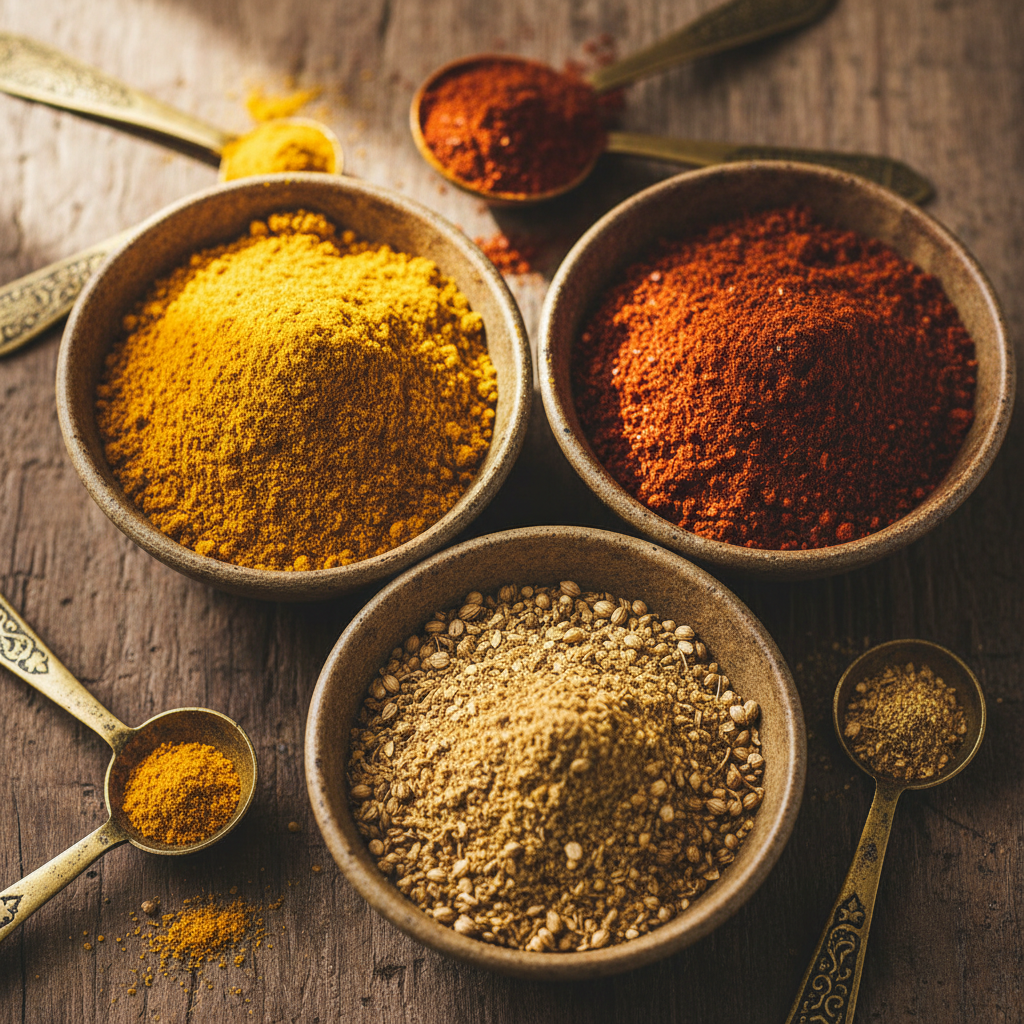
The foundation of Indian cooking is built on a variety of spices such as cumin, coriander, turmeric, and cardamom. These spices are often blended to create distinct flavors that define Indian dishes. Cumin offers a warm, earthy taste, while coriander brings a citrusy note. Turmeric is renowned for its golden color and anti-inflammatory properties.
In many Indian households, spices are freshly ground before cooking, which ensures the release of essential oils, enhancing the aroma and flavor of the food. This practice is a testament to the importance of freshness in Indian cuisine.
The Art of Spice Blending
What truly sets Indian cuisine apart is the art of spice blending. Each region in India has its own signature spice blend, known as "masala." For instance, garam masala is a popular North Indian blend that typically includes cloves, cinnamon, and black pepper. These blends are carefully crafted to complement specific dishes, adding depth and complexity to the flavors.

Spice blends are not just about taste; they are a reflection of India's cultural heritage. Passed down through generations, these recipes hold stories of tradition and family.
Health Benefits of Indian Spices
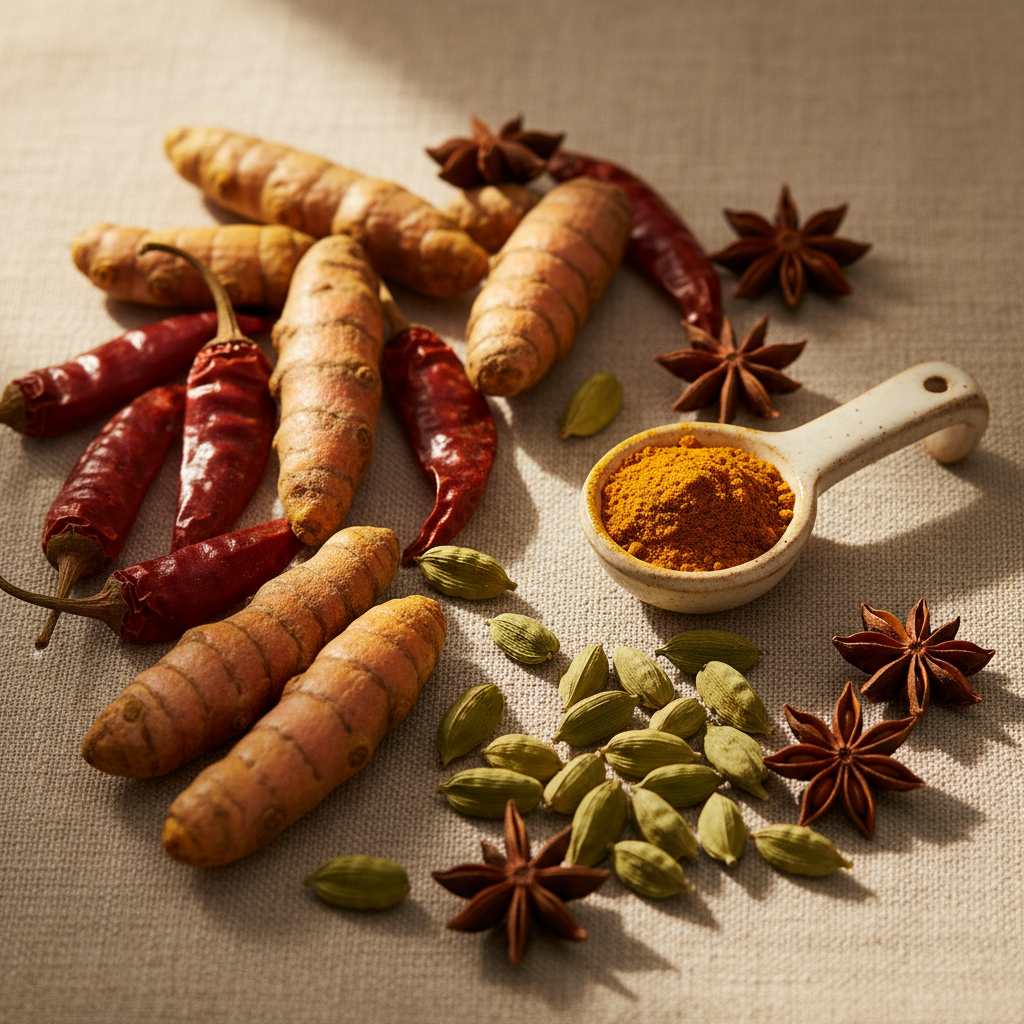
Beyond flavor, Indian spices offer numerous health benefits. Turmeric, for example, is praised for its anti-inflammatory and antioxidant properties. Ginger aids digestion, while fenugreek helps regulate blood sugar levels. Incorporating these spices into daily cooking can contribute to overall well-being.
Spices in Everyday Cooking
Indian spices are versatile and can be incorporated into a wide range of dishes beyond traditional Indian cuisine. They can enhance soups, stews, and even desserts. A sprinkle of cinnamon can transform a simple oatmeal, while a pinch of cardamom can elevate a cup of coffee.
- Use cumin and coriander in marinades.
- Add turmeric to rice for a vibrant color and health boost.
- Experiment with garam masala in your favorite soups.
Conclusion
Exploring Indian spices is not just about cooking; it's a journey into a world rich with history, culture, and health benefits. Whether you're an experienced cook or a curious foodie, embracing the richness of Indian spices can open up a new realm of culinary possibilities.