
Myths About Indian Food: What You Need to Know


Introduction to Indian Food Myths
Indian cuisine is renowned for its rich flavors and diverse dishes, yet it often falls victim to many misconceptions. These myths can shape perceptions and even deter people from experiencing this culinary treasure. Let’s debunk some common myths surrounding Indian food.
Myth 1: Indian Food is Always Spicy
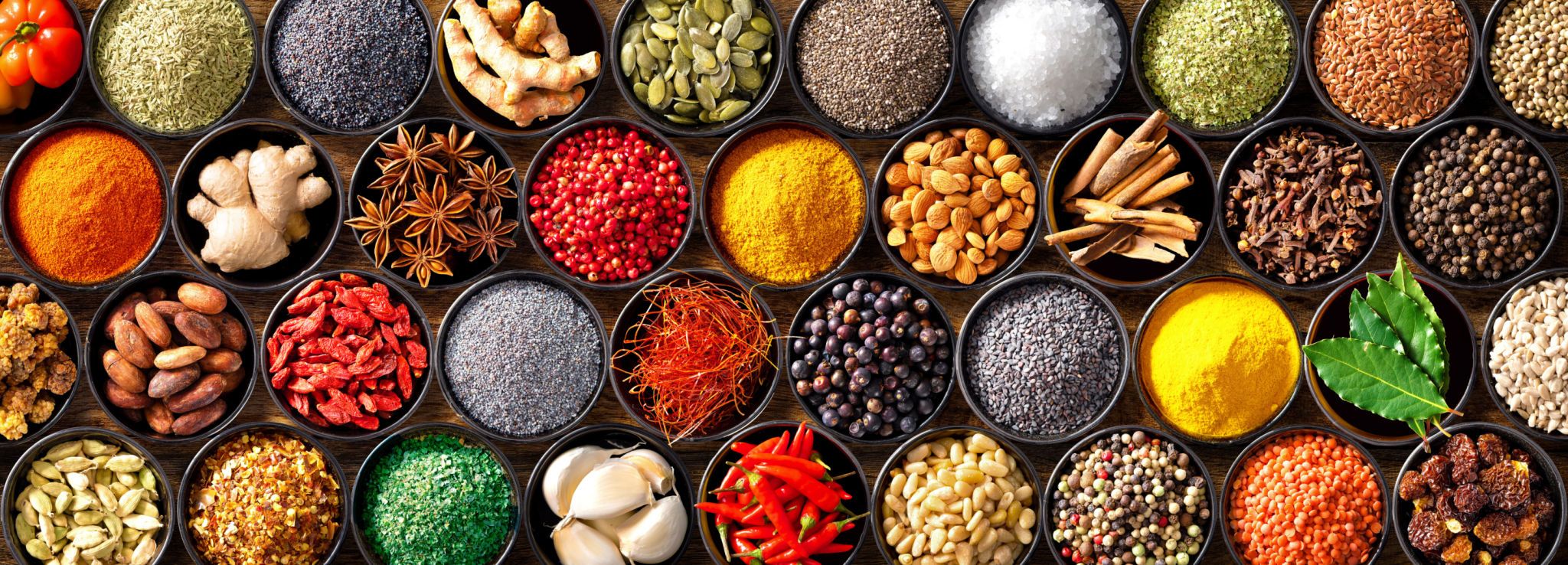
One of the most prevalent myths is that all Indian food is overwhelmingly spicy. While it's true that Indian cuisine uses a variety of spices, not all dishes are hot. Spices like cumin, coriander, and turmeric are used to enhance flavor, not just heat. There are plenty of mild dishes, such as butter chicken and dal, that are flavorful without being spicy.
Understanding the Spice Spectrum
Indian food spans a wide spectrum of flavors, from the mildest to the most fiery. Many dishes can be adjusted to suit individual spice preferences. It’s about balance and the unique blend of spices that define Indian cooking.
Myth 2: Indian Food is Unhealthy
Some believe that Indian cuisine is inherently unhealthy due to rich sauces and fried foods. However, this is a misconception. Indian food can be incredibly healthy, featuring plenty of vegetables, legumes, and grains. Traditional cooking methods often include steaming, grilling, and using fresh ingredients.
Emphasis on Fresh Ingredients
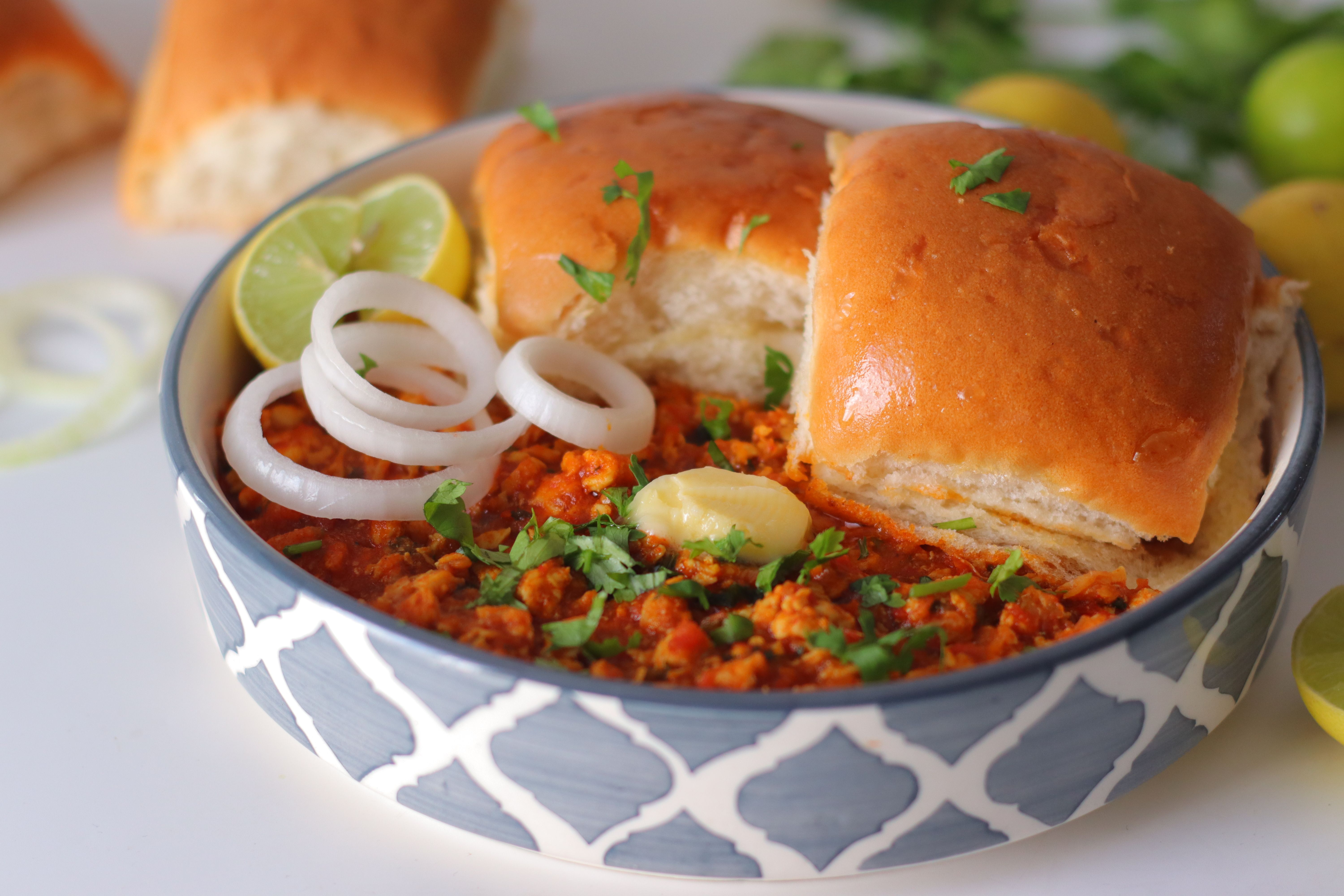
Indian cuisine emphasizes the use of fresh and seasonal ingredients. Dishes like tandoori chicken and aloo gobi showcase how Indian cooking can be both healthy and satisfying. The variety of vegetarian options also highlights the health benefits of the cuisine.
Myth 3: Indian Food is Just Curry
Another common myth is that Indian food is synonymous with curry. In reality, "curry" is a broad term that encompasses a range of dishes. Indian cuisine is incredibly diverse, with each region offering unique dishes and flavors.
Regional Diversity
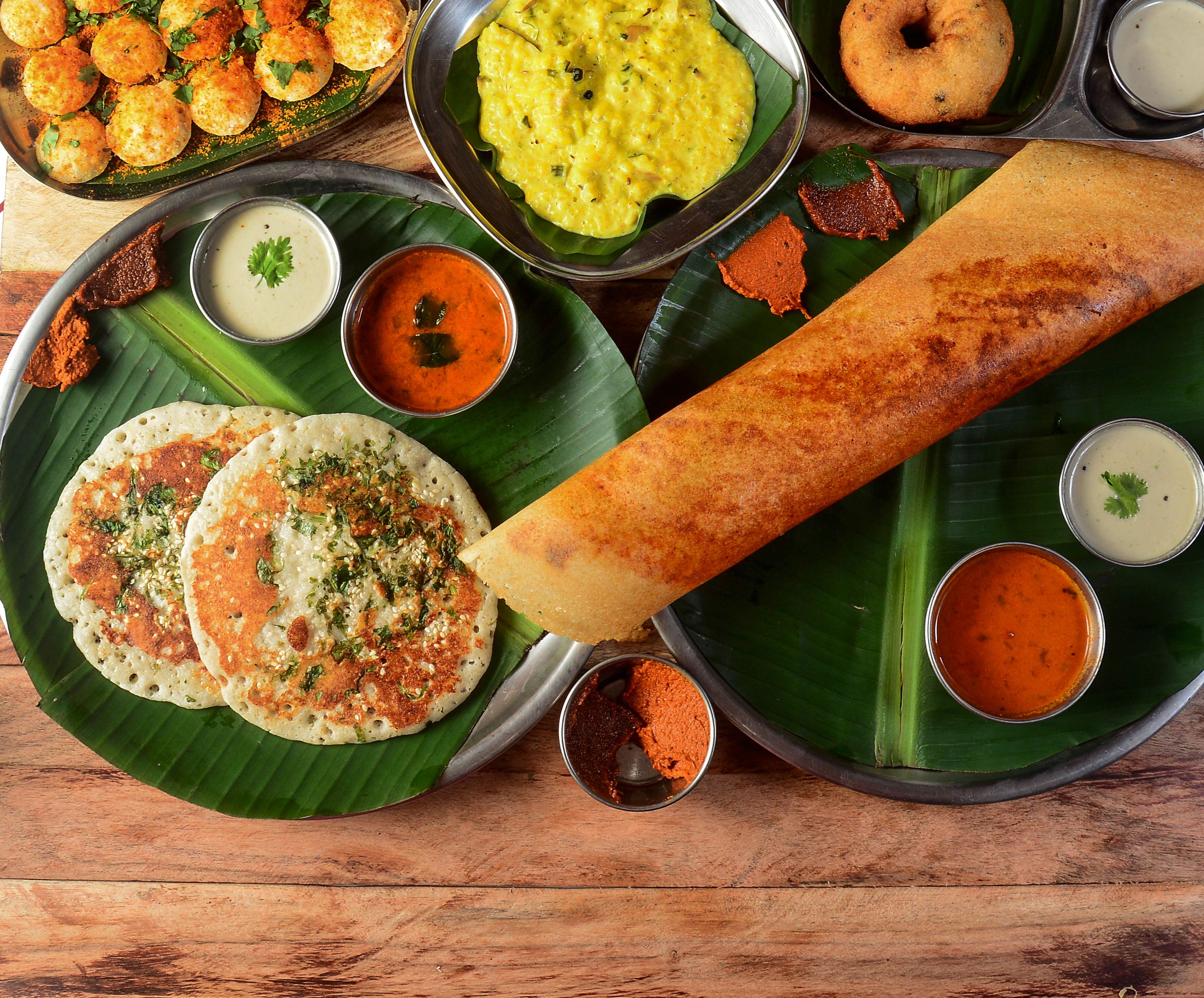
From the dosas of the South to the kebabs of the North, Indian food is rich in regional diversity. Each area has its own specialties, methods, and ingredients, reflecting the country's varied landscape and culture.
Myth 4: All Indian Food is Vegetarian
While India has a significant vegetarian population, the cuisine includes a vast array of non-vegetarian dishes as well. Chicken, lamb, and seafood are widely used, offering a variety of flavors and textures.
Non-Vegetarian Delights
Dishes like chicken biryani and fish curry showcase the non-vegetarian side of Indian cuisine. Both vegetarians and meat lovers will find something to enjoy in the diverse culinary landscape of India.
Conclusion
Indian cuisine is a rich tapestry of flavors, techniques, and traditions. By debunking these myths, we can better appreciate its diversity and depth. Whether you're a fan of bold spices or mild flavors, there's something for everyone in the world of Indian food.