
The Art of Indian Cooking: How to Create Authentic Flavors at Home


Indian cuisine is a vibrant tapestry of flavors, colors, and aromas that captivate the senses. The art of Indian cooking is a tradition passed down through generations, bringing families together over rich and diverse dishes. But for those who wish to recreate these authentic flavors at home, the process may seem daunting. Fear not, as this guide will help you navigate the essentials of Indian cooking and bring the tastes of India to your kitchen.
Understanding the Basics of Indian Spices
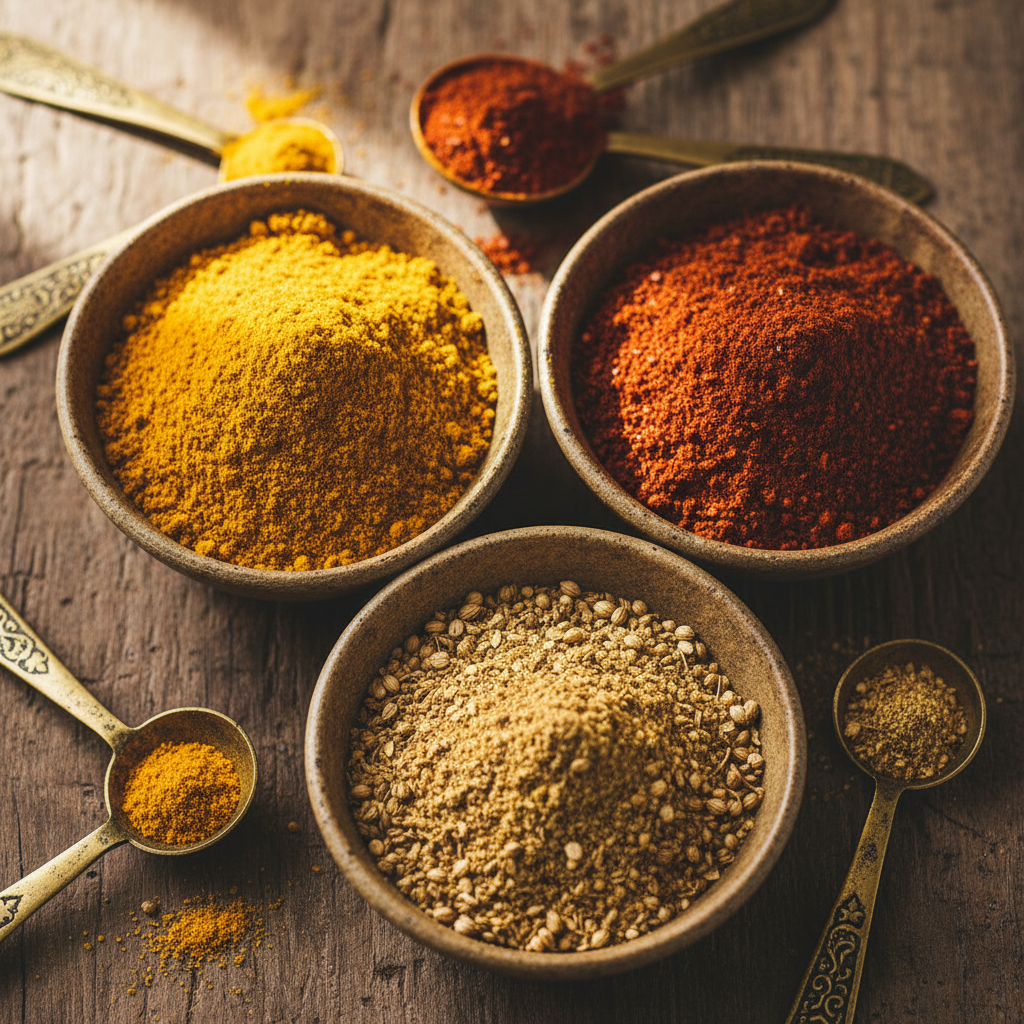
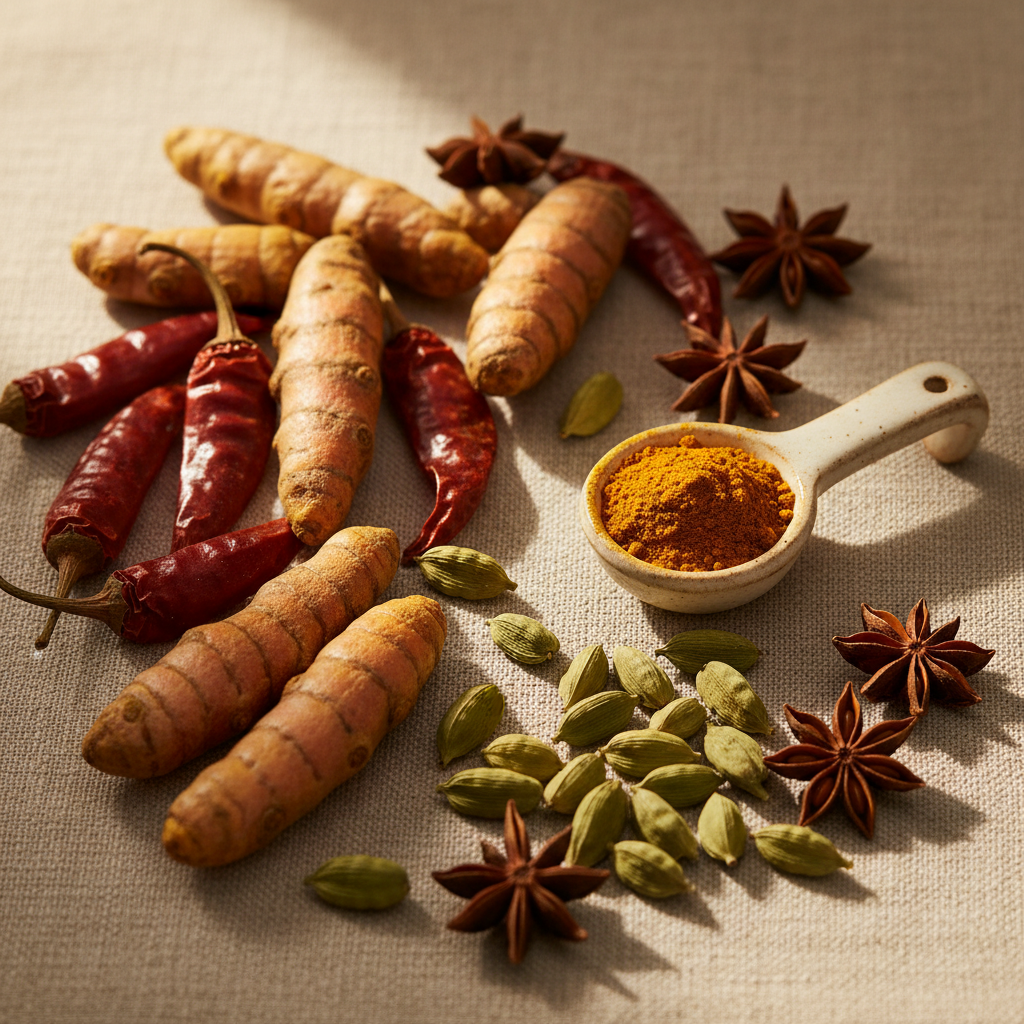
The cornerstone of Indian cooking lies in its spices. These aromatic ingredients are not just for seasoning but are integral to building layers of flavor in each dish. Some essential spices include cumin, coriander, turmeric, and garam masala. Each spice contributes a unique character, from the earthy tones of cumin to the warm, citrusy notes of coriander.
To get started, invest in a basic spice kit and learn how to blend them. A typical Indian spice mix, or masala, can transform even the simplest ingredients. Experimenting with different combinations will allow you to tailor the flavors to your personal taste, making each dish uniquely yours.
The Role of Herbs and Fresh Ingredients
While spices are crucial, fresh herbs like cilantro and mint play a vital role in Indian cuisine. They add brightness and freshness, balancing the richness of spices. Additionally, incorporating fresh ingredients such as ginger, garlic, and onions can elevate your dishes to new heights. These ingredients form the base of many Indian recipes, providing depth and complexity.
Building a Flavorful Base
Creating a flavorful base is essential for authentic Indian cooking. This often involves sautéing onions, ginger, and garlic until golden brown. This process is known as "bhunao" and is key to developing a deep, rich flavor. Once the base is ready, spices are added, allowing them to bloom and release their essential oils.
Mastering Classic Indian Dishes
Once you are familiar with the basics, try your hand at some classic Indian dishes. Here are a few to consider:
- Chicken Curry: A staple in Indian households, this dish combines tender chicken with a rich, spicy sauce.
- Samosas: These savory pastries are filled with spiced potatoes and peas, perfect for snacking.
- Dal Tadka: A comforting lentil dish seasoned with cumin, mustard seeds, and chili.
Balancing Flavors and Textures
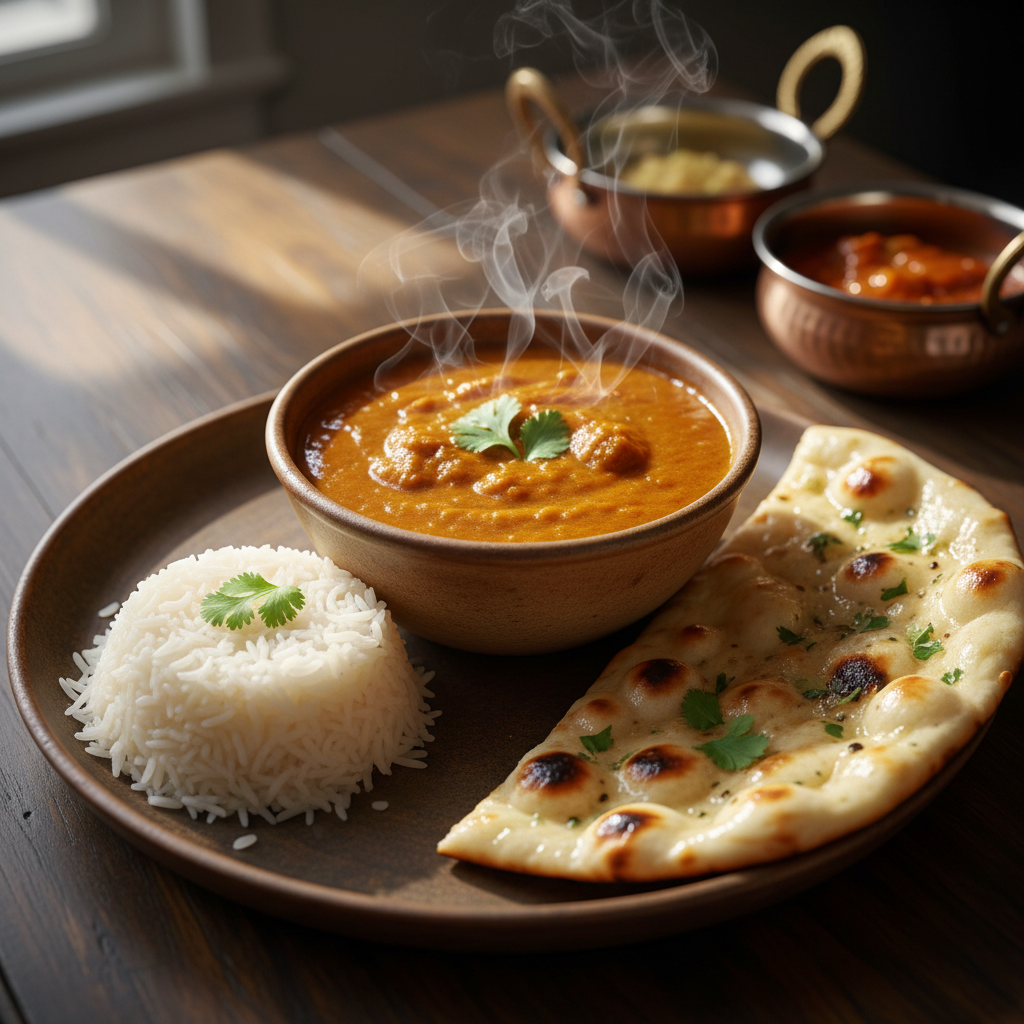
Indian cooking is about balance. Sweet, sour, salty, and spicy elements come together to create harmony in each dish. Understanding how to balance these flavors will help you recreate authentic Indian tastes. For instance, a squeeze of lemon can add acidity to a rich curry, while a touch of sugar can offset the heat of spices.
Textures are equally important. Combining crunchy, creamy, and chewy elements adds interest and variety to your meals. Consider pairing a creamy curry with a crispy papadum or a soft naan bread.
Embracing the Joy of Indian Cooking
Finally, remember that Indian cooking is as much about the process as it is about the result. Enjoy the journey of experimenting with flavors and techniques. Cooking is a way to express creativity and connect with culture, so don't be afraid to make mistakes and learn from them.
With these tips in mind, you're well on your way to mastering the art of Indian cooking. Embrace the bold flavors, vibrant colors, and rich aromas that define this beloved cuisine, and enjoy the satisfaction of creating authentic Indian dishes at home.