
The Art of Perfecting Indian Curries: Tips from Indian Delight Chefs


Introduction to Indian Curries
Indian curries are a beautiful blend of spices, aromas, and flavors that have captivated food lovers around the world. Crafting the perfect curry is an art form, one that requires attention to detail and a deep understanding of ingredients. Our chefs at Indian Delight have mastered this art and are eager to share their tips for creating impeccable curries.
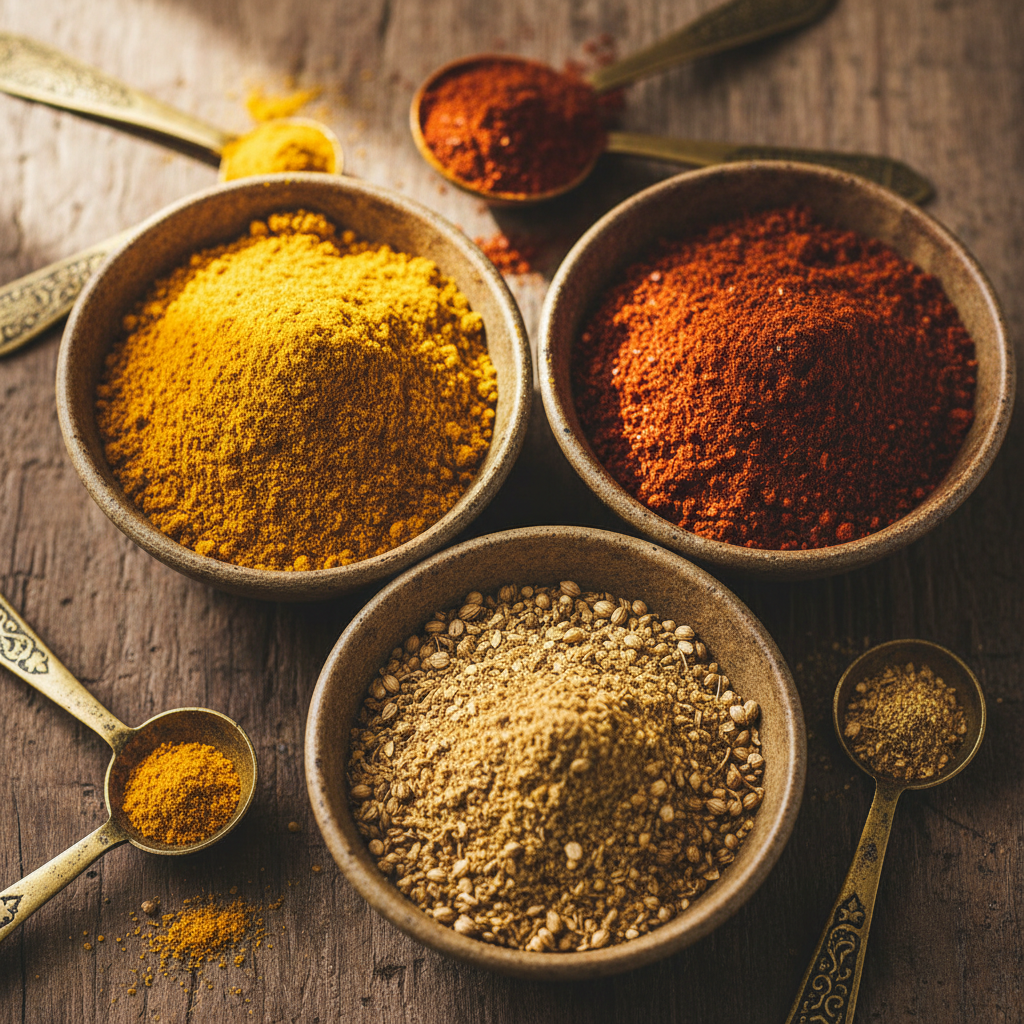
Understanding the Spice Palette
The foundation of any great curry lies in its spices. Each spice contributes a unique flavor profile, and understanding how they interact is crucial. Common spices include cumin, coriander, turmeric, and garam masala. Experimenting with different combinations can lead to exciting new flavors.
It's important to toast your spices before adding them to the dish. This enhances their aroma and releases essential oils, intensifying the flavor of your curry. Remember, the quality of your spices can make a significant difference, so always opt for fresh, high-quality options.
The Role of Fresh Ingredients
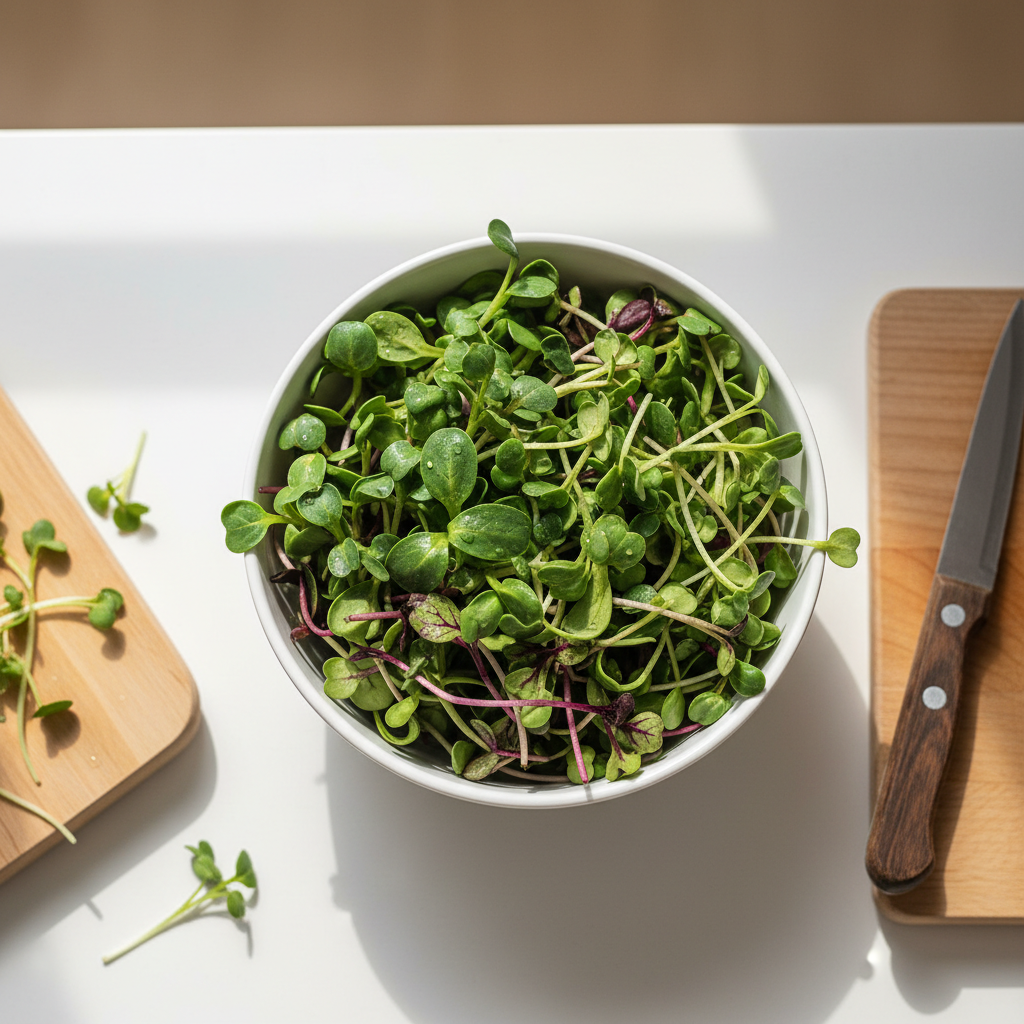
While spices are the heart of a curry, fresh ingredients like tomatoes, onions, ginger, and garlic form its soul. These components provide a base that balances the robust flavors of the spices. Always use fresh produce to ensure the best results.
Onions and tomatoes should be cooked until they break down into a rich paste, forming the foundation of your curry. This step is vital for achieving the desired consistency and depth of flavor.
Mastering the Cooking Techniques
The cooking process is as important as the ingredients themselves. Sautéing, simmering, and slow cooking are crucial techniques that allow the flavors to meld and develop. Patience is key; let the curry simmer gently to extract maximum flavor from the ingredients.
Always remember to taste and adjust seasonings as you go. This helps you achieve a balanced flavor profile that suits your palate.
Experimenting with Textures
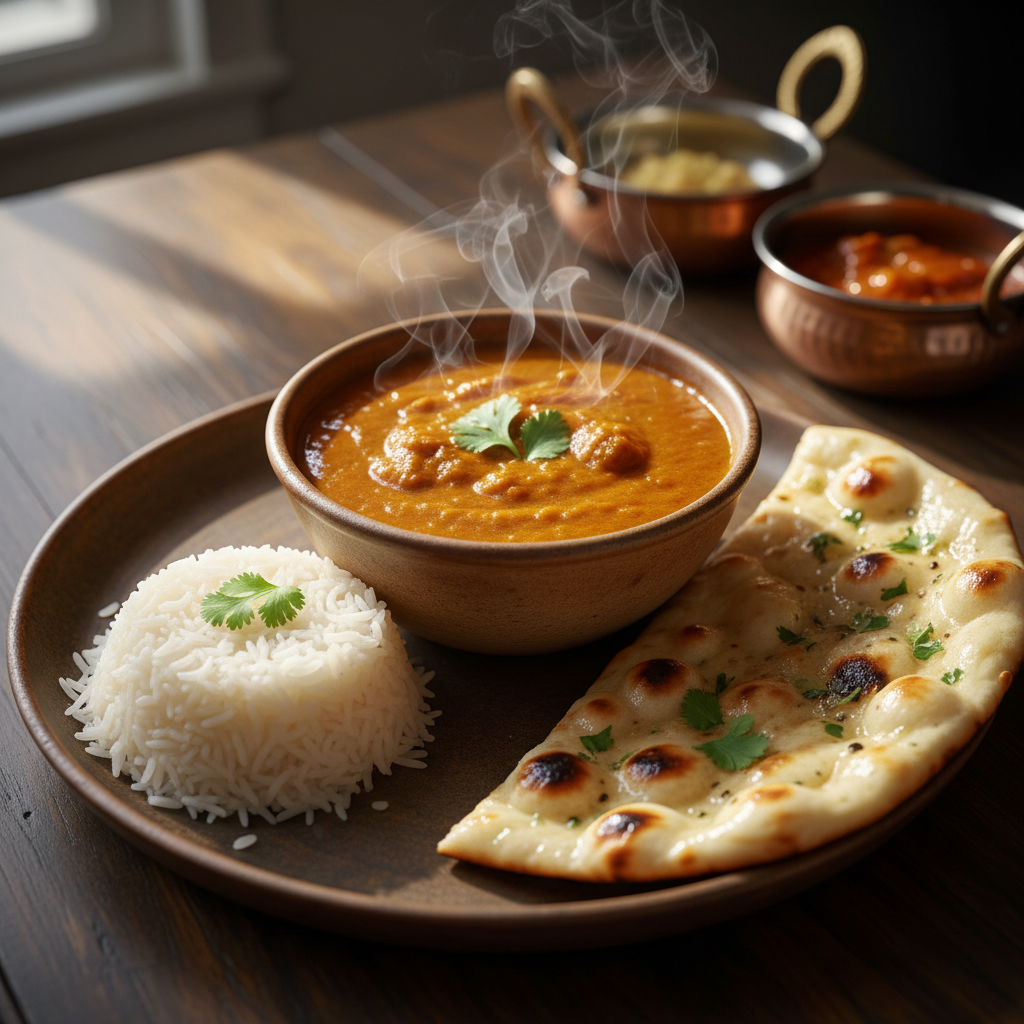
Texture plays a significant role in the overall enjoyment of a curry. Whether you prefer a smooth, creamy sauce or a chunky, hearty stew, the choice of ingredients and cooking method can help you achieve your desired texture.
- For a creamy texture, consider adding yogurt or coconut milk.
- For a thicker consistency, let the curry reduce by cooking it uncovered.
Serving and Presentation
The final touch to a perfect curry is its presentation. Garnish with fresh coriander, a squeeze of lemon, or a sprinkle of toasted cumin seeds to add an extra layer of flavor and visual appeal.

Pair your curry with freshly cooked rice, naan, or roti to create a complete and satisfying meal. The right accompaniments can enhance the flavors and elevate your dining experience.
Conclusion
Perfecting Indian curries is a journey of exploration and creativity. By understanding the nuances of spices, utilizing fresh ingredients, mastering cooking techniques, and experimenting with textures, you can create a culinary masterpiece. With these tips from Indian Delight chefs, you're well on your way to crafting curries that are not only delicious but also a true reflection of the rich tapestry of Indian cuisine.