
Understanding Indian Spices: A Beginner’s Guide


The Rich History of Indian Spices
Indian spices have been an integral part of the country’s culture and history for centuries. From ancient trade routes to modern kitchens, these spices have traveled far and wide, leaving a lasting impact on global cuisine. Understanding these vibrant flavors can unlock a new world of culinary possibilities.
Spices like turmeric, cumin, and coriander have not only been used for their taste but also for their medicinal properties. They play a crucial role in Ayurveda, the traditional system of Indian medicine. Exploring these spices can offer both delicious and healthful benefits.
Essential Spices in Indian Cooking
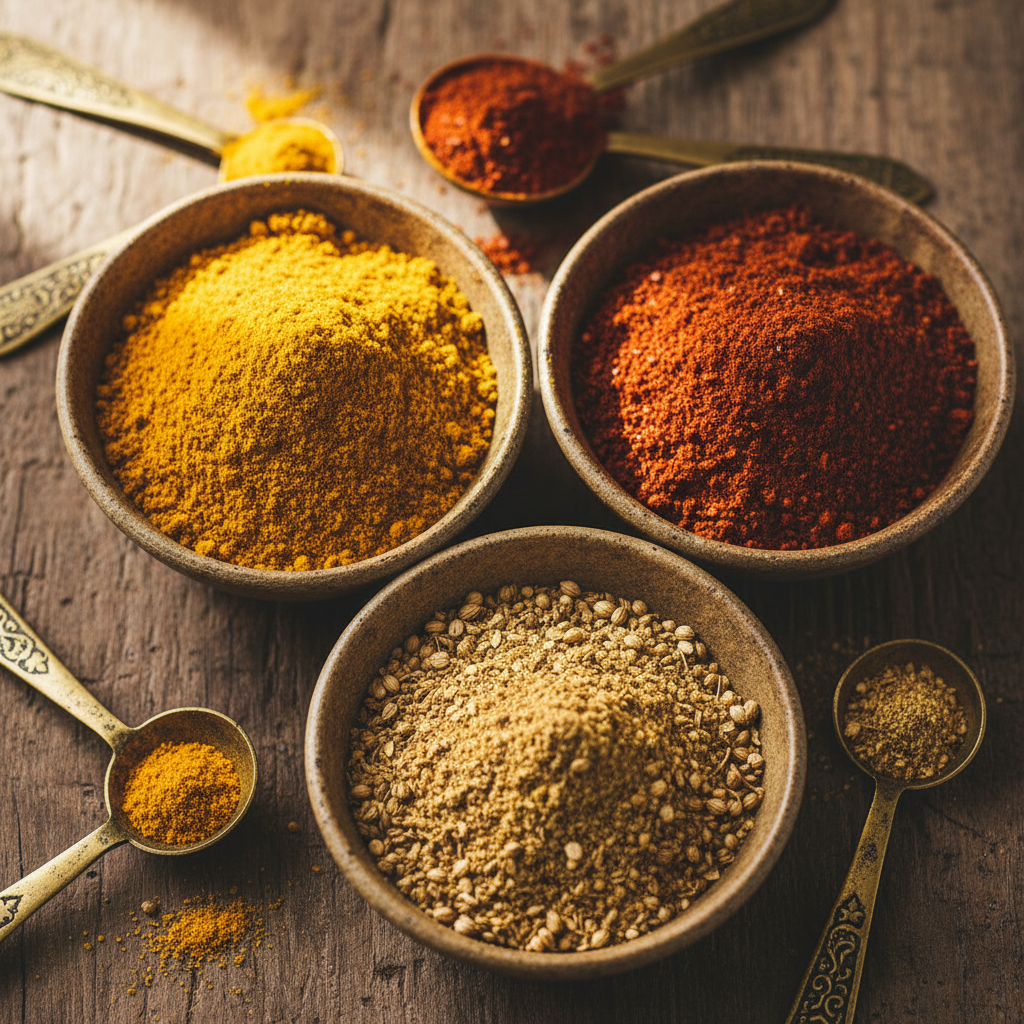
Turmeric
Known for its bright yellow color, turmeric is a staple in Indian kitchens. It adds a warm, earthy flavor to dishes and is often used in curries and lentil dishes. Beyond its culinary uses, turmeric is revered for its anti-inflammatory properties.
Cumin
Cumin seeds, with their distinctive aroma, are commonly used in Indian cooking. They can be used whole or ground, and are often roasted to enhance their flavor. Cumin is a key ingredient in spice blends like garam masala.
The Art of Blending Spices
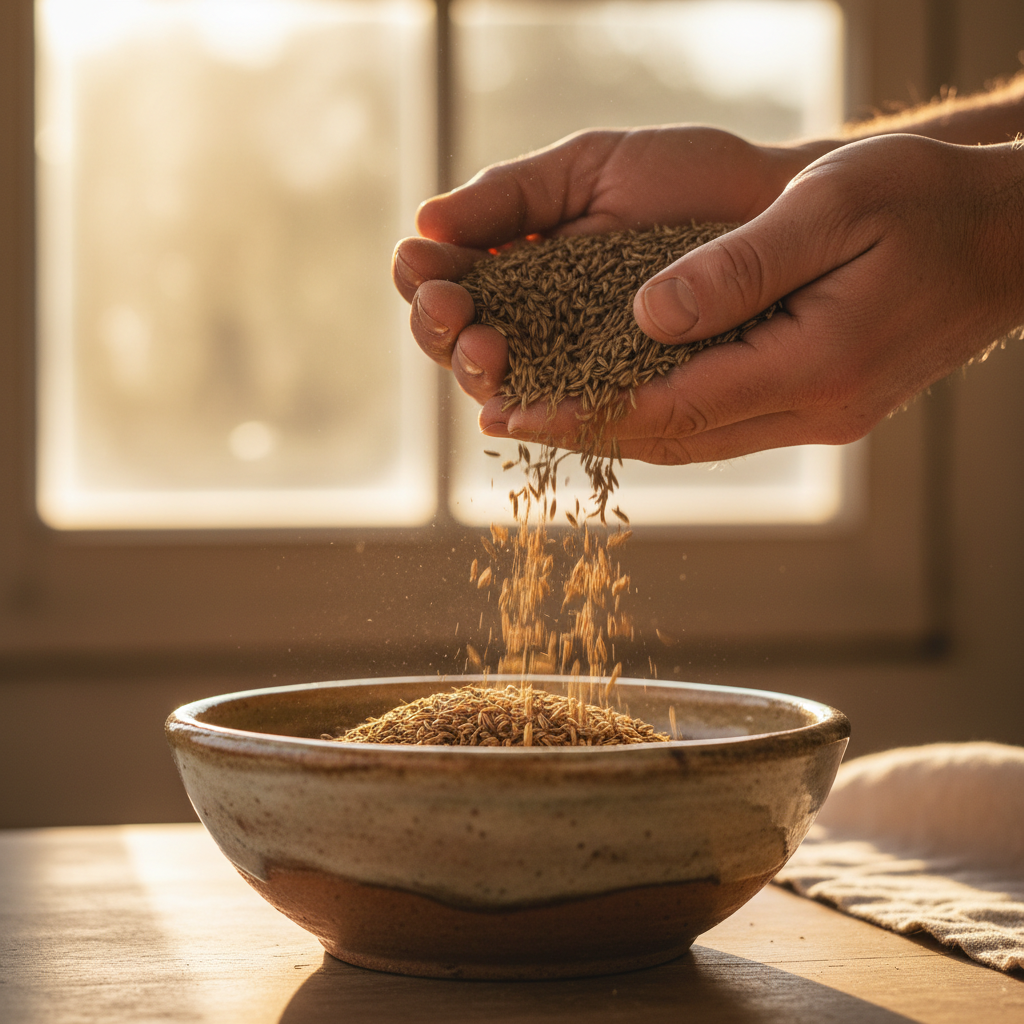
Indian cuisine is renowned for its complex spice blends, which can transform simple ingredients into aromatic dishes. Spices are typically toasted to release their essential oils and then ground to create blends.
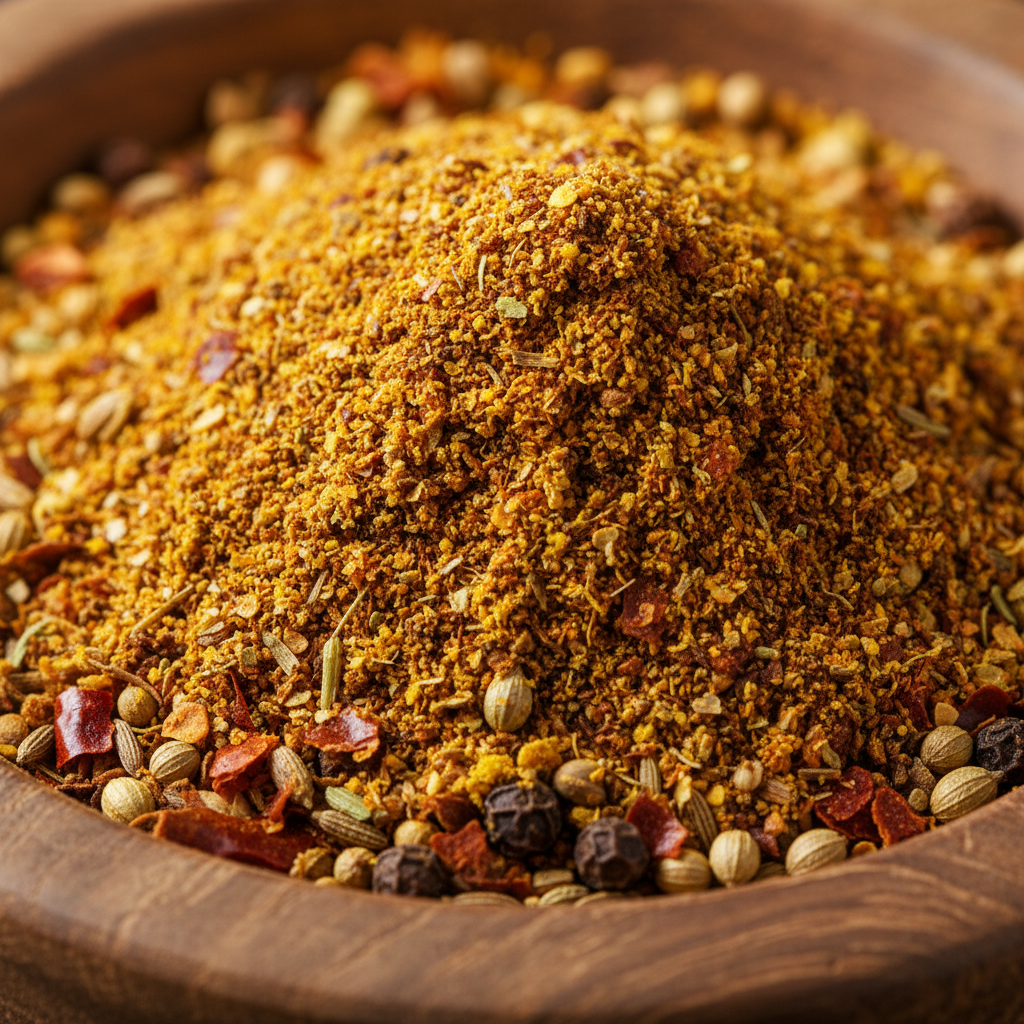
Garam masala is one of the most popular spice mixes, combining spices like cinnamon, cloves, and black pepper. Each region in India has its own unique blend, reflecting local tastes and traditions.
Cooking with Indian Spices
Using Indian spices effectively requires understanding their flavors and how they interact with other ingredients. Here are some tips for beginners:
- Start small: Begin with a few key spices like cumin and coriander.
- Toast spices: Lightly roasting spices can enhance their flavor.
- Experiment: Don't be afraid to mix and match spices to create your own blends.
Remember that spices can be potent, so it's wise to add them gradually and adjust to taste. Over time, you'll develop a feel for the right balance.
Conclusion: Embracing Indian Spices
Embracing Indian spices in your cooking can open up a world of flavors and aromas. Whether you're a seasoned cook or a beginner, these spices offer endless possibilities for creativity and exploration in the kitchen.
By understanding the history, essential spices, and techniques for blending and cooking, you can bring the rich culinary heritage of India to your own table.